Synthetic Opiod Treatment in Connecticut

At Waterstone, a leading outpatient addiction treatment practice in Connecticut, we diagnose and treat a wide range of substance use disorders, including synthetic opioid addiction.
Learn more about our treatments below, or schedule an appointment to begin your recovery journey and live better today.
What are Synthetic Opioids?
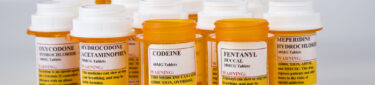
Synthetic opioids can be 50 to 100 times more potent than morphine. They were originally developed for medical use to treat severe pain, especially after surgery or for advanced cancer patients. However, illicitly manufactured opioids are now widely available and commonly mixed with other drugs, often without the user’s knowledge. Even a tiny amount can cause a fatal overdose. Because of its strength and fast-acting nature, it carries an extremely high risk of addiction and accidental death.
How Synthetic Opioid Addiction Can Happen
Addiction can develop quickly, sometimes even after short-term use. Synthetics bind to opioid receptors in the brain, producing intense feelings of euphoria, pain relief, and relaxation. Over time, the brain adapts, requiring more of the drug to achieve the same effects — a process known as tolerance.
As tolerance increases, users may take higher doses more frequently, leading to dependence and eventually addiction. With street synthetics often mixed into other drugs like heroin, cocaine, or fake prescription pills, many users may not even know they’re consuming it until it’s too late.
 When You Need Treatment
Recognizing the signs of addiction is the first step toward recovery. You or your loved one may need treatment if you notice:
-
Cravings or compulsive use of opioids
-
Withdrawal symptoms when not using
-
Isolation from friends and family
-
Neglecting responsibilities at work, school, or home
-
Continued use despite negative consequences
-
Mood swings, depression, or anxiety
If these signs are present, treatment is not only necessary — it’s life-saving. Addiction can escalate rapidly, increasing the risk of overdose with each use.
How is Synthetic Opioid Addiction Treated?
Effective treatment is comprehensive, combining medical support with behavioral therapy and mental health care. The most successful programs offer:
-
Medically-supervised detox: Withdrawal from can be intense and dangerous. Detox should be done under the care of professionals who can ease symptoms and monitor safety.
-
Medication-Assisted Treatment (MAT): Medications like buprenorphine or methadone help reduce cravings and withdrawal symptoms while stabilizing brain chemistry.
-
Individual and group therapy: Cognitive Behavioral Therapy (CBT), trauma-informed care, and support groups help individuals address the root causes of addiction and learn coping strategies.
-
Dual diagnosis treatment: Many people with opioid addiction also struggle with mental health conditions like depression, PTSD, or anxiety. Dual diagnosis care treats both issues together.
Waterstone’s Medication-Assisted Treatment Program
MAT (Medication-Assisted Treatment) blends pharmacological therapy and psychotherapeutic support to assist patients in managing withdrawal symptoms and overcoming addiction. The utilization of MAT is experiencing rapid growth because of its success as an intervention strategy.
While MAT is beneficial to both inpatient and outpatient clients, Waterstone specializes in providing outpatient MAT services that do not require staying overnight in any type of facility. The medications that are provided during MAT help in normalizing brain and body activity and reducing the cravings and pleasurable sensations produced by opioids. Patients are allowed to take these FDA-approved medications for months, years, or even eternally under the supervision of a physician. How the MAT modalities will be administrated is a personal choice of the individual and the healthcare practitioner, but there is no doubt that it will aid in recovery.
What Does Synthetic Opioid Addiction Recovery Look Like?
Recovery from addiction is a lifelong journey, but it is absolutely possible. Everyone’s path is unique, but most people experience the following stages:
-
Stabilization – Safely managing withdrawal and establishing physical and emotional safety.
-
Therapeutic work – Addressing psychological triggers, trauma, and lifestyle factors contributing to addiction.
-
Rebuilding – Learning healthy coping mechanisms, repairing relationships, and reengaging with life goals.
-
Ongoing support – Staying connected through aftercare programs, sober living, therapy, or peer support groups.
Long-term recovery is built on connection, consistency, and care. With the right treatment and support, individuals can break free from addiction and build fulfilling, healthy lives.
Schedule A Consultation
If you believe you may be suffering from opioid addiction, it is important to see a caregiver who specializes in addiction medicine in order to properly diagnose and treat your condition. Our outpatient program is managed by a board-certified addiction medicine physician that specializes in medication-assisted treatments and psychotherapy. Call 203-245-0412 today to schedule an appointment.